 Mon - Sat 8:00 - 6:30, Sunday - CLOSEDMon - Sat 8:00 - 6:30, Sunday - CLOSED
 Send Email
 Send Inquiry
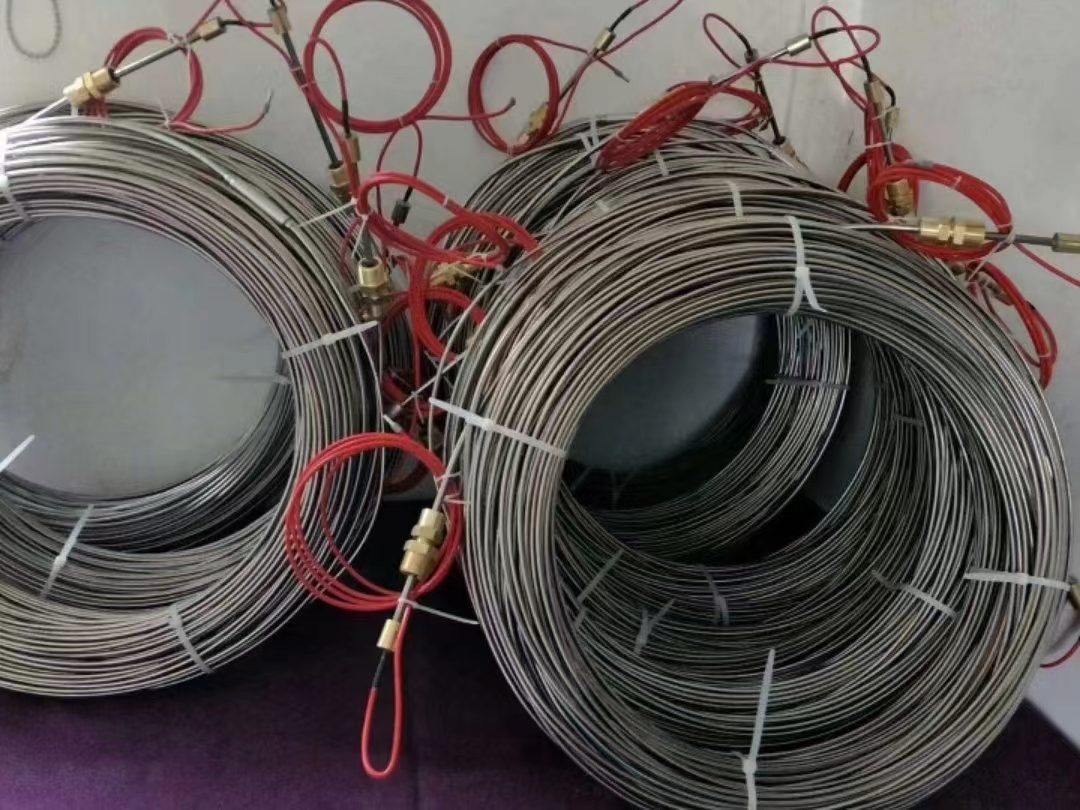
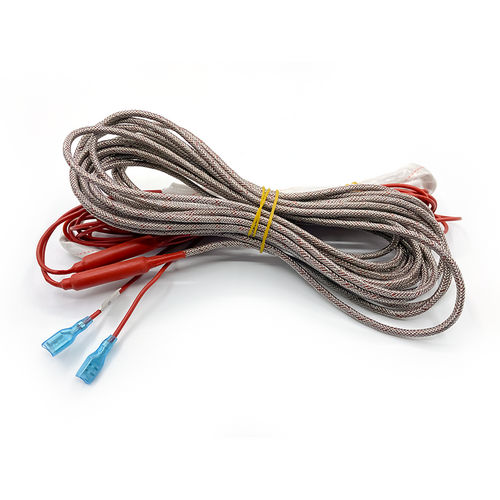
Heating Cable
Price 6 USD ($)/ Piece
MOQ : 500 Pieces
Heating Cable Specification
- Surface Finish
- Smooth and insulated
- Drive Type
- Electric Powered
- Noise Level
- Silent Operation
- Shape
- Round Cable
- Usage & Applications
- Pipe Heating, Floor Heating, Roof De-icing, Industrial and Commercial Heating
- Capacity
- Heat output up to 30W/m
- Size
- Standard and Custom sizes available
- Diameter
- 6-8 mm
- Features
- Flexible, Durable, Easy to Install, Weatherproof, UV Resistant
- Product Type
- Machine Accessories
- Material
- Steel Mesh
- Technology
- Other
- Power Source
- Electric
- Power
- Up to 2200W (varies by model and length)
- Voltage
- 220 Volt (v)
- Surface Treatment
- PVC/Fluoropolymer Outer Insulation
- Dimension (L*W*H)
- Custom length, typically 1m to 100m; cable diameter approx. 6mm to 8mm
- Weight
- Varies with length, average 0.5-5 kg
- Color
- Red, Blue, or Black (as per insulation)
- Maximum Operating Temperature
- Up to 200C
- Installation Method
- Surface mounted, under insulation, or embedded
- Ingress Protection (IP)
- IP67 Waterproof
- Minimum Bending Radius
- 5 x Outer Diameter
- Resistance per meter
- Customized as per design
- Thermal Cutoff
- Available on request
- Packaging
- Rolls or drum packaging
- Sheath Material
- PVC, Silicon or Fluoropolymer
- Applicable Standards
- IEC 60800, EN 60335-2-96
- Connection Type
- Terminated with cold leads
Heating Cable Trade Information
- Minimum Order Quantity
- 500 Pieces
- Payment Terms
- Cash Against Delivery (CAD), Cash on Delivery (COD), Letter of Credit (L/C), Letter of Credit at Sight (Sight L/C), Telegraphic Transfer (T/T), Western Union, Paypal, Cash Advance (CA), Delivery Point (DP), Days after Acceptance (DA), Cash in Advance (CID), Cheque
- Supply Ability
- 5000 Pieces Per Day
- Delivery Time
- 15 Days
- Sample Available
- Yes
- Sample Policy
- Within a certain price range free samples are available
- Main Export Market(s)
- Australia, North America, South America, Eastern Europe, Western Europe, Middle East, Africa, Central America, Asia
- Main Domestic Market
- All India
About Heating Cable
Mineral insulated (MI) heating cable consists of one or two resistance heating elements embedded in highly compressed magnesium oxide covered by a copper or stainless steel sheath. Application requirements determine resistance size and sheath material.Versatile Heating Solutions for Harsh Environments
Our heating cable combines robust construction with flexible installation, making it ideal for pipe tracing, floor heating, roof de-icing, or industrial processes. With a maximum operating temperature of 200C and IP67 waterproof rating, it stands up to demanding weather and industrial conditions. The cable's flexible design and choice of outer insulation-PVC, silicone, or fluoropolymer-ensure it suits both exposed and protected environments.
Customized Performance and Safety Features
Every cable is built to customer specifications, including custom resistance per meter and various lengths. Thermal cutoffs can be included for added protection, while strong steel mesh reinforcement and smooth insulation guarantee long-term performance. Terminated cold leads simplify the connection process, and compliance with international standards ensures safety and reliability.
FAQ's of Heating Cable:
Q: How are heating cables installed and what installation methods are available?
A: Heating cables can be surface mounted, placed under insulation, or embedded directly in concrete or flooring. This versatility allows for precise application in various heating projects, from de-icing roofs to heating pipes and floors. Always follow manufacturer instructions and local regulations during installation.Q: What are the advantages of using cables with an IP67 waterproof rating and UV resistance?
A: An IP67 waterproof rating ensures that the cable is dust-tight and can withstand temporary immersion in water, making it suitable for outdoor and damp indoor environments. UV resistance adds further protection against sunlight exposure, extending cable lifespan in roof or outdoor applications.Q: When should a thermal cutoff be requested for a heating cable system?
A: A thermal cutoff is recommended when there is a risk of overheating or if additional safety measures are required for sensitive installations. It provides an extra layer of protection by disconnecting power if the cable exceeds a set temperature.Q: What customization options are available for this heating cable?
A: Customers can choose cable length (typically 1m to 100m), resistance per meter, power rating (up to 2200W), insulation material (PVC, silicon, fluoropolymer), color, and packaging (rolls or drums). These options enable tailored solutions for specific project requirements.Q: Where can these heating cables be used?
A: These cables are suitable for a wide range of applications including pipe heating, floor heating, roof and gutter de-icing, as well as industrial and commercial heating tasks, ensuring near-silent operation and consistent heat distribution.Q: How does steel mesh construction benefit the heating cable?
A: Steel mesh enhances the cable's durability and flexibility, providing mechanical protection during installation and operation, while maintaining the cable's ability to bend to fit various surfaces without risking internal damage.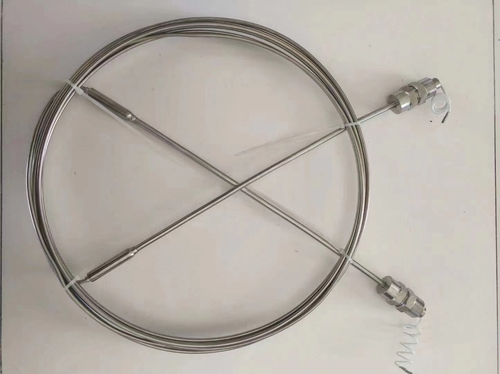
Tell us about your requirement

Price:
Quantity
Select Unit
- 50
- 100
- 200
- 250
- 500
- 1000+
Additional detail
Mobile number
Email

More Products in Machine and Spare parts Category
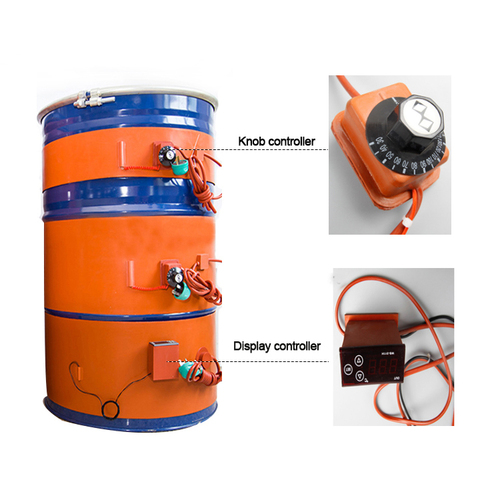
Drum Heater
Price 200 USD ($) / Square Meter
Minimum Order Quantity : 500 Square Meters
Technology : Other, Flexible Heating Band
Usage & Applications : Heating of drums containing viscous fluids, oils, waxes, resins, adhesives, chemicals
Features : Adjustable strap and buckle, integrated thermostat, flexible silicone construction, easy installation and removal
Color : Orange
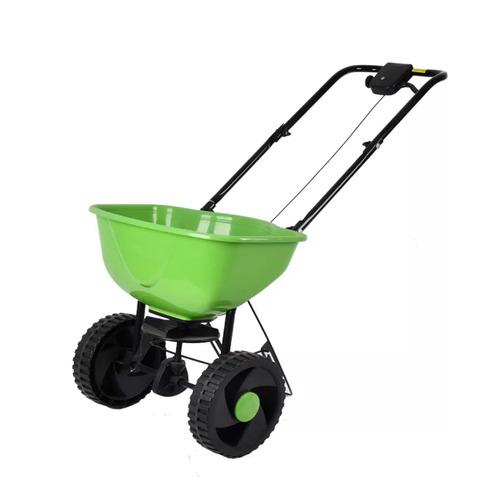
Fertilizer Spreader
Price 25 USD ($) / Piece
Minimum Order Quantity : 100 Pieces
Technology : Other
Usage & Applications : Used for uniform spreading of fertilizers in agricultural fields
Features : Adjustable spreading width, corrosion resistant body, easy to operate, uniform distribution
Color : Green / Yellow (as shown in image)
Heating Wire Cable
Price 3 USD ($) / Piece
Minimum Order Quantity : 500 Pieces
Technology : Other
Usage & Applications : Heating elements, floor heating, pipe tracing, defrosting
Features : Uniform heating, flexible, corrosionresistant
Color : Metallic/Silver

Fabric cutting machine
Price 37.2 USD ($) / Piece
Minimum Order Quantity : 10 Pieces
Technology : Other, Mechanical Cutting
Usage & Applications : For straight, curved, and zigzag cutting of textile fabrics in bulk
Features : High precision, durable blades, easy operation, safety switch
Color : Blue and Silver

Contact Details

- 901, Building No.7C, West Port New Territories, No.206, Zhenhua Road, Hangzhou - 310013, Zhejiang, China
CHINA TOP WELL LIMITED

- Mr Vakul Agarwal (Proprietor)
- Mobile : +8615258831784
- Phone : 86-571-81060617
-
 Send Inquiry
 Send Inquiry
 Send Inquiry
 Call Me Free

CHINA TOP WELL LIMITED
All Rights Reserved.(Terms of Use)
Developed and Managed by Infocom Network Private Limited.
Developed and Managed by Infocom Network Private Limited.
 English
 Spanish
 French
 German
 Italian
 Chinese (Simplified)
 Japanese
 Korean
 Arabic
 Portuguese