 Mon - Sat 8:00 - 6:30, Sunday - CLOSEDMon - Sat 8:00 - 6:30, Sunday - CLOSED
 Send Email
 Send Inquiry
Agriculture Machinery
Price 190 USD ($)/ Piece
MOQ : 500 Pieces
Agriculture Machinery Specification
- Lubricating System
- Grease Type
- Size
- Standard/Adjustable
- Noise Level
- Low
- Shape
- Rectangular Frame
- Features
- Heavy Duty Tines, Adjustable Row Spacing, High Durability
- Capacity
- Suitable for 1 to 1.5 Acre per Hour
- Diameter
- 13-18 mm (Tine Diameter)
- Drive Type
- 3 Point Linkage, Tractor Driven
- Surface Finish
- Smooth, Rust Resistant
- Usage & Applications
- Soil Preparation, Tilling, Weeding in Agricultural Fields
- Product Type
- Other
- Material
- Stainless steel
- Technology
- Other
- Power Source
- Diesel Engine
- Power
- 35-60 HP
- Voltage
- 220 Volt (v)
- Pressure
- Hydraulic (where applicable)
- Surface Treatment
- Powder Coated
- Dimension (L*W*H)
- Approx. 1800 mm x 900 mm x 1200 mm
- Weight
- Approx. 250-300 kg
- Color
- Blue and Black
- Maintenance Requirement
- Low
- Working Width
- 6-7 Feet
- No. of Tines
- 9 Tines
- Frame Type
- Box Frame
- Corrosion Resistance
- Yes
- Operating Speed
- Up to 7 km/h
- Attachment
- Tractor 3-Point Hitch
- Tine Material
- Forged Steel
- Adjustability
- Row Spacing Adjustable
Agriculture Machinery Trade Information
- Minimum Order Quantity
- 500 Pieces
- Payment Terms
- Cash on Delivery (COD), Days after Acceptance (DA), Letter of Credit (L/C), Telegraphic Transfer (T/T), Paypal, Cash in Advance (CID)
- Supply Ability
- 50 Pieces Per Day
- Delivery Time
- 30 Days
- Sample Available
- Yes
- Sample Policy
- Sample costs shipping and taxes has to be paid by the buyer
- Main Export Market(s)
- Australia, North America, Eastern Europe, Middle East
- Main Domestic Market
- All India
About Agriculture Machinery
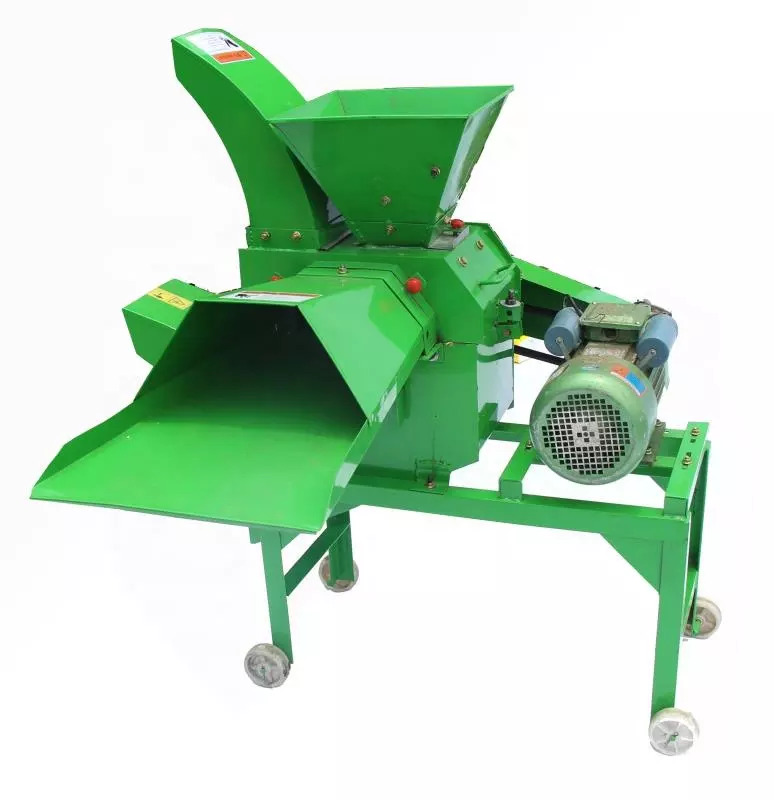
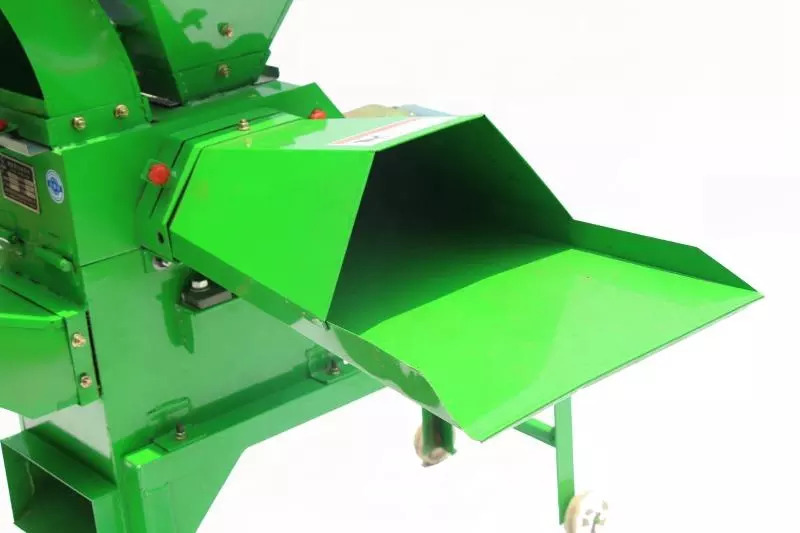
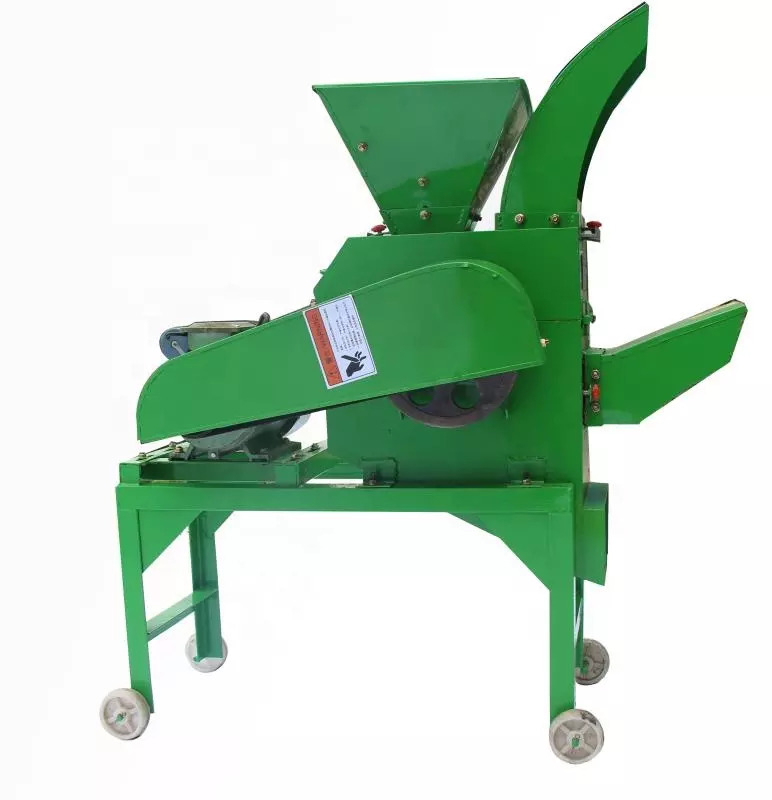
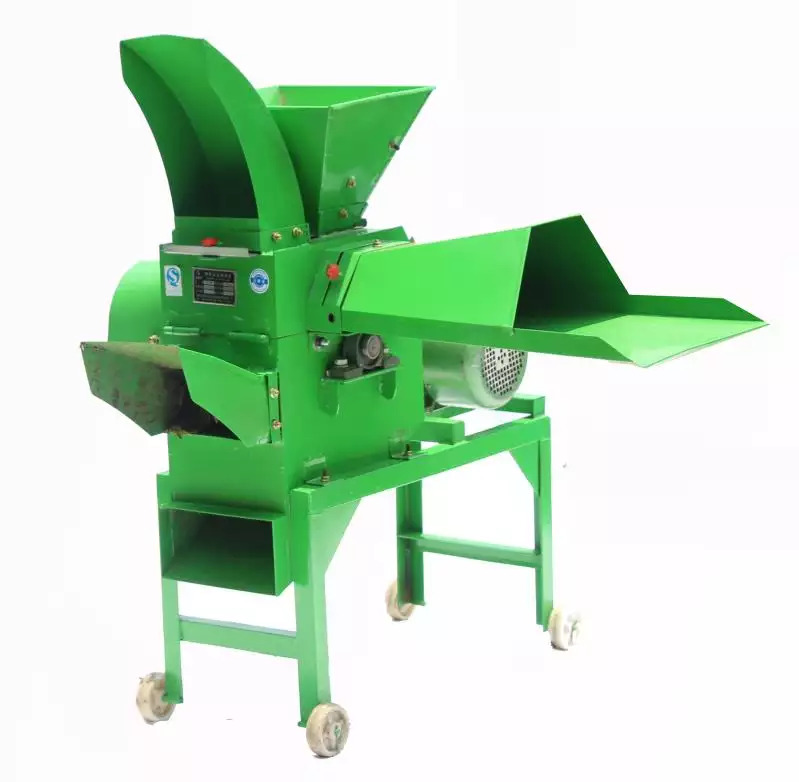
The forage mill can process straw, cotton stalk, bean curd, wheat curd, forage grass, branches and other forage grass as well as all kinds of grain. It can also crush corn cob for the friends who grow mushroom and other practical fungi.This series of forage mill have ensilage, kneading, grinding as one of the characteristics of ensilage when material can be put 3 to 6 meters, need frequent discharge faults, to improve the old one is big small and medium-sized farms and family breeding chickens, ducks, pigs, cattle, sheep and other poultry feed intake of the ideal equipment. The machine power is small, high yield, simple structure, convenient operation, one person can operate, processing range, without being limited by the length of the raw materials.Enhanced Efficiency for Field Preparation
Engineered to cover 1 to 1.5 acres per hour, this agricultural implement enables farmers to prepare soil, perform tilling, and manage weeding tasks efficiently. Its nine heavy-duty tines and adjustable working width make it a versatile solution for small and medium fields, enhancing productivity while reducing manual labor. The attachment's compatibility with standard tractor models ensures straightforward integration into your workflow.
Built for Durability and Easy Maintenance
Manufactured with a box frame from corrosion-resistant, powder-coated stainless steel, this equipment guarantees reliability under tough agricultural conditions. The forged steel tines withstand hard soils and resist wear. Low maintenance needs, combined with a grease-type lubrication system, minimize downtime and help operators focus on essential farming tasks.
FAQ's of Agriculture Machinery:
Q: How do I attach this machinery to my tractor?
A: This equipment is designed for easy attachment to a tractor via a standard 3-point linkage system. Simply align the tractor's hitch points with the implement, secure the pins, and connect the hydraulic or mechanical drive components as specified in the manual.Q: What benefits does adjustable row spacing offer?
A: Adjustable row spacing allows you to customize tine placement according to the crop type and field conditions. This flexibility ensures optimal soil cultivation, minimizes crop damage, and supports efficient weeding and tillage across various row crops.Q: When should I use this tool for best results in the field?
A: For ideal outcomes, operate this machinery during the soil preparation phase before planting, or during the growing season for tilling and weeding. It performs best when the soil moisture is moderate, allowing the forged steel tines to penetrate and cultivate efficiently.Q: Where is this machinery best suited for use?
A: This implement is particularly effective in agricultural fields requiring soil preparation, tilling, and weeding. It is well-suited for use by farmers, dealers, and exporters in regions with compatible tractors, notably in China, due to its standard design and robust build.Q: What is the process for adjusting the working width and row spacing?
A: To adjust the working width or row spacing, follow the manufacturer's guidelines. Typically, you'll need to loosen adjustment bolts, slide the tines to the desired position, and securely tighten all fasteners to maintain stability during operation.Q: How does the low maintenance requirement benefit users?
A: Low maintenance reduces downtime and operational costs. With its grease-type lubrication system and rust-resistant components, the implement allows users to spend more time in the field and less on repairs or upkeep.Q: What advantages does the forged steel tine material provide?
A: Forged steel tines offer superior strength and durability, allowing effective soil penetration and resistance against bending or breakage, even under heavy workloads. This ensures reliable performance season after season.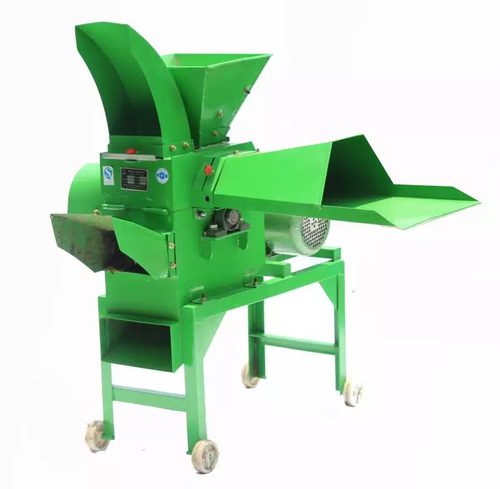
Tell us about your requirement

Price:
Quantity
Select Unit
- 50
- 100
- 200
- 250
- 500
- 1000+
Additional detail
Mobile number
Email

More Products in Machine and Spare parts Category
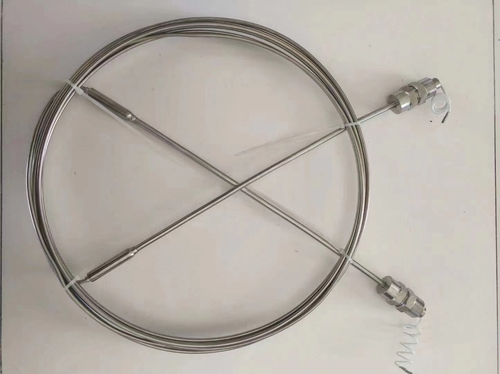
Heating Cable
Price 6 USD ($) / Piece
Minimum Order Quantity : 500 Pieces
Usage & Applications : Pipe Heating, Floor Heating, Roof Deicing, Industrial and Commercial Heating
Material : Steel Mesh
Color : Red, Blue, or Black (as per insulation)
Surface Treatment : Other, PVC/Fluoropolymer Outer Insulation
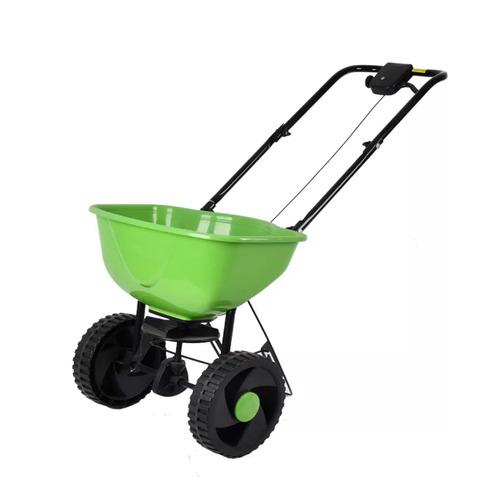
Fertilizer Spreader
Price 25 USD ($) / Piece
Minimum Order Quantity : 100 Pieces
Usage & Applications : Used for uniform spreading of fertilizers in agricultural fields
Material : Stainless steel
Color : Green / Yellow (as shown in image)
Surface Treatment : Other, Powder coated finish
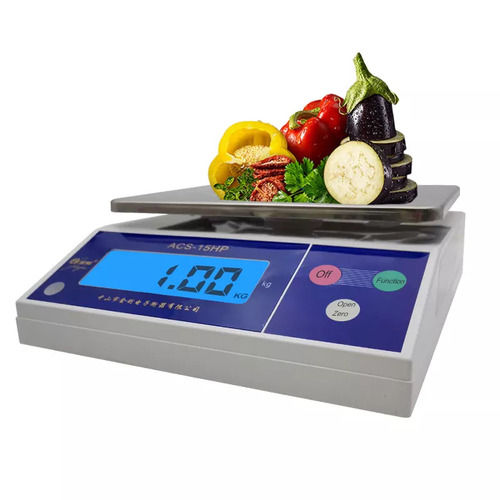
Weighing Machines
Price 45 USD ($) / Piece
Minimum Order Quantity : 500 Pieces
Usage & Applications : Retail shops, Industrial Weighing, Laboratory
Material : Stainless steel
Color : White & Steel Grey
Surface Treatment : Other, Polished

Tube sealing machine
Price 820 USD ($) / Set
Minimum Order Quantity : 1 Set
Usage & Applications : Used for sealing plastic and laminate tubes in cosmetic, pharmaceutical, food, and chemical industries.
Material : Stainless Steel
Color : Silver / Metallic
Surface Treatment : Other, Polished

Contact Details

- 901, Building No.7C, West Port New Territories, No.206, Zhenhua Road, Hangzhou - 310013, Zhejiang, China
CHINA TOP WELL LIMITED

- Mr Vakul Agarwal (Proprietor)
- Mobile : +8615258831784
- Phone : 86-571-81060617
-
 Send Inquiry
 Send Inquiry
 Send Inquiry

CHINA TOP WELL LIMITED
All Rights Reserved.(Terms of Use)
Developed and Managed by Infocom Network Private Limited.
Developed and Managed by Infocom Network Private Limited.
 English
 Spanish
 French
 German
 Italian
 Chinese (Simplified)
 Japanese
 Korean
 Arabic
 Portuguese